FEDERG President highlights gender inequalities in kidney health and calls for greater recognition of patients, women and family caregivers at the European Kidney Forum.
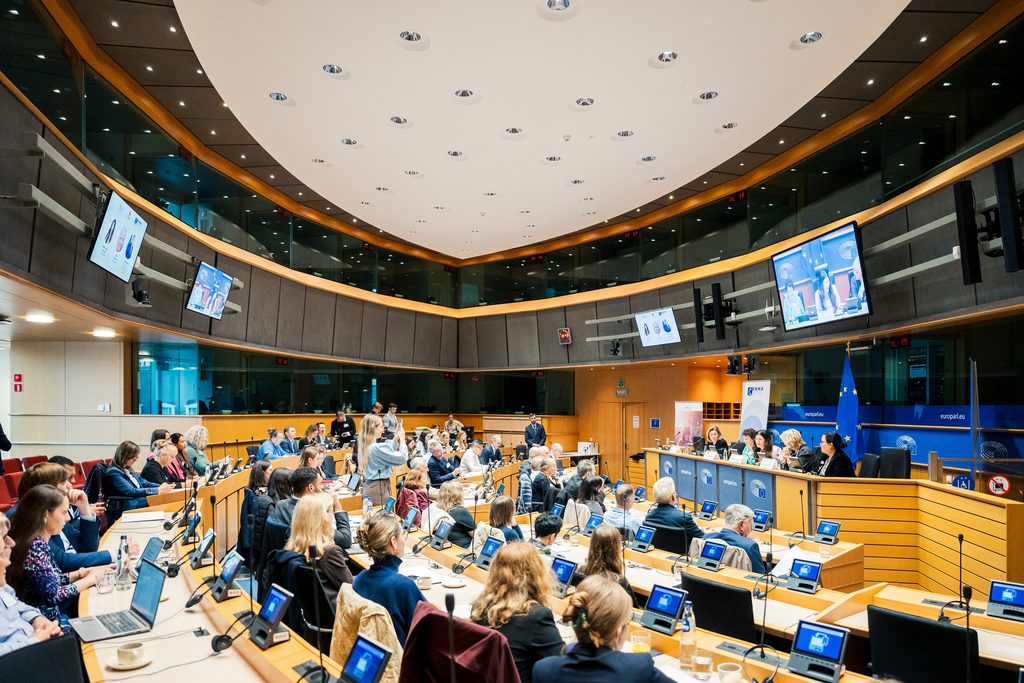
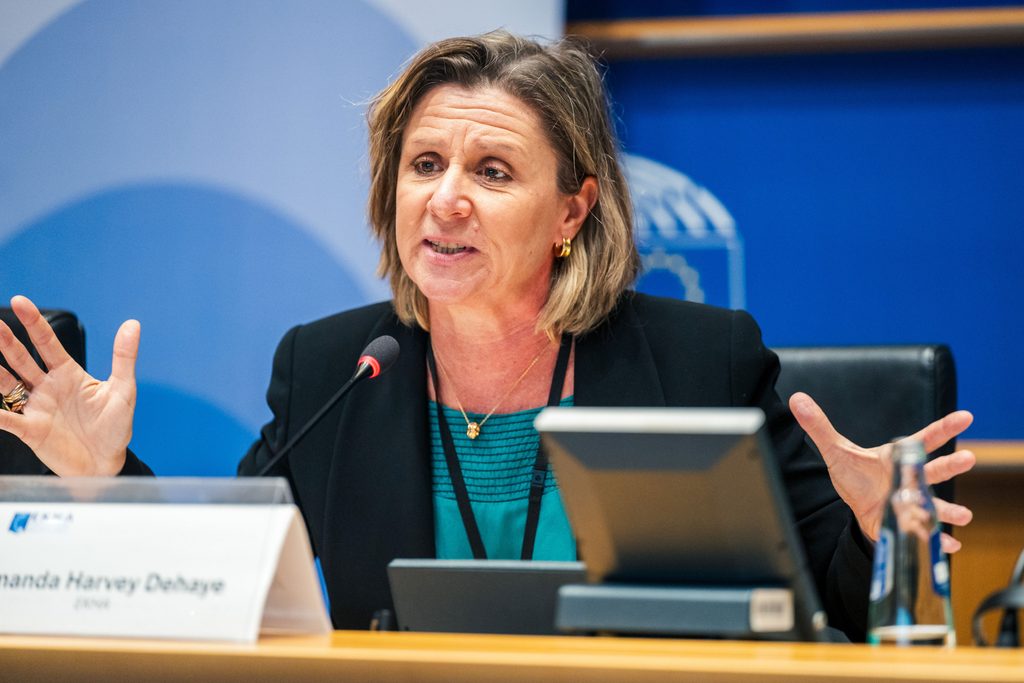
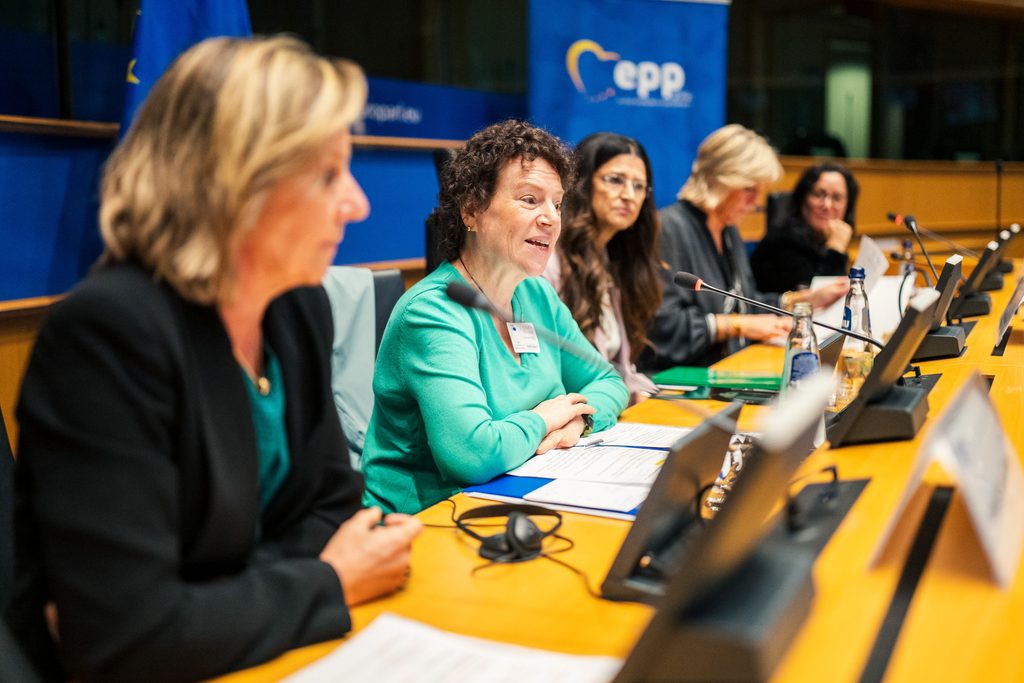
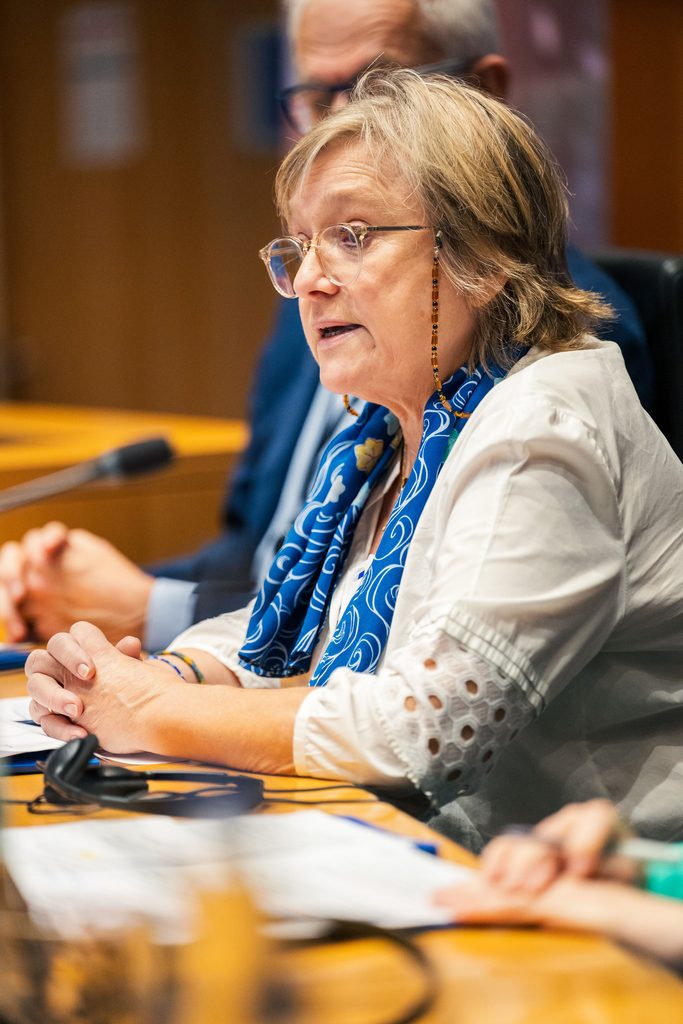
On 13 October 2026, Susana Carvajal Arjona, President of FEDERG, the European Federation of Rare Kidney Disease Patient Organisations, participated in the European Kidney Forum at the European Parliament in Brussels. Organised by the European Kidney Health Alliance (EKHA), the annual event brought together stakeholders to discuss inequalities in kidney health, with a particular focus on the gender gap and the experiences of people living with kidney disease.
Susana took part in the discussion from two closely connected perspectives: her personal experience as the mother of a young person living with a rare kidney disease, and her longstanding commitment to patient advocacy at European level. Her contribution highlighted the importance of ensuring that the voices of patients and their families are heard when healthcare priorities are discussed and policies are developed.
As President of FEDERG, Susana represents the collective interests of patient organisations working to improve the lives of people affected by rare and genetic kidney diseases. Her participation in the forum reflects FEDERG’s commitment to ensuring that the realities of patients, families and caregivers are recognised in European discussions on kidney health.
Bringing the patient and caregiver perspective to the European debate
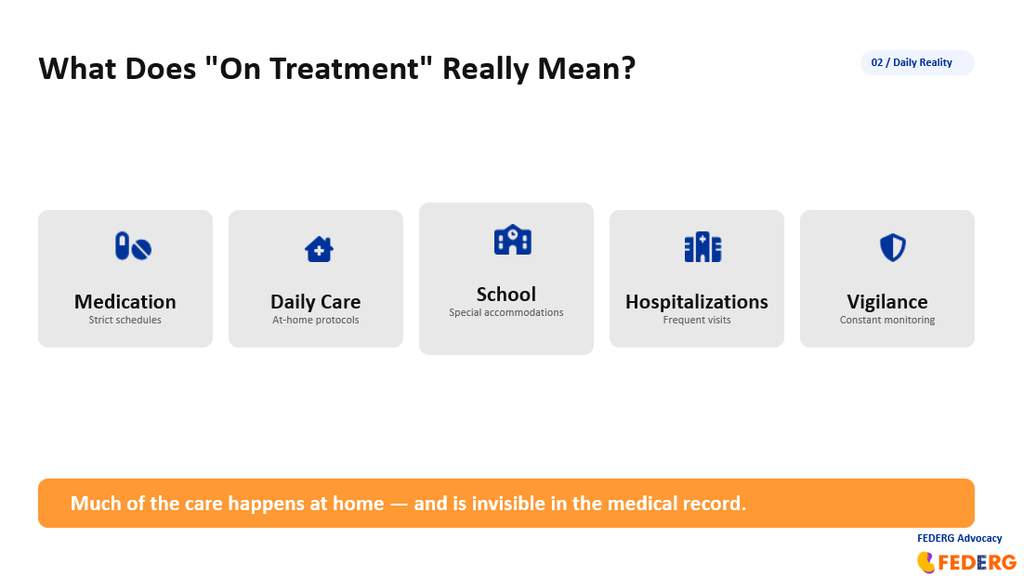
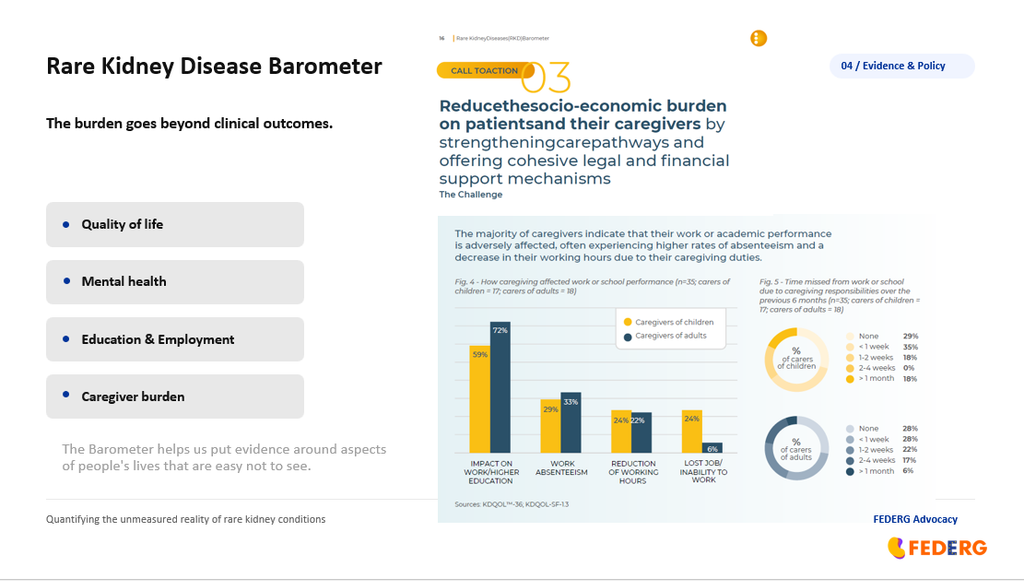
Kidney disease affects far more than physical health. Depending on the condition and its severity, it can influence education, employment, family life, mental wellbeing and financial security. For people living with rare kidney diseases, these challenges may be compounded by difficulties in obtaining a timely diagnosis, accessing specialised care and finding reliable information about conditions that remain unfamiliar to many healthcare professionals and members of the public.
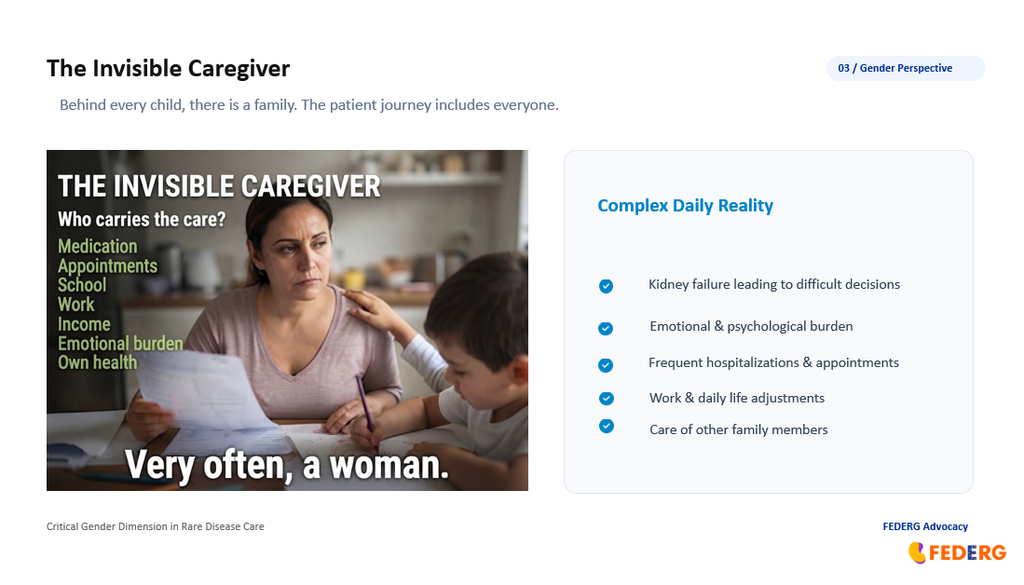
Families often play a central role in managing these challenges. They may coordinate medical appointments, support treatment routines, navigate healthcare services and provide emotional support over many years. This responsibility can have a significant impact on their own wellbeing and opportunities.
Through her work as a patient advocate, Susana has consistently helped bring these experiences into the wider healthcare discussion. Her perspective underlines why patient involvement must extend beyond the clinical consultation and include the realities of everyday life for patients and those who care for them.
For FEDERG, meaningful patient participation means recognising people living with kidney disease and their families as partners in shaping healthcare policies, research priorities and services. Their experiences can help identify unmet needs and ensure that decisions reflect the challenges people face in practice.
Addressing the gender gap in kidney health
Gender inequalities remain an important issue in kidney health. Biological differences, social circumstances and gender roles can influence how kidney disease is recognised, diagnosed, treated and experienced.
Women living with kidney disease may face specific challenges at different stages of life, including questions related to reproductive health, pregnancy and the interaction between kidney disease and other health conditions. Their needs must be properly recognised in clinical practice, research and healthcare planning.
At the same time, women frequently undertake a substantial share of unpaid care for relatives living with chronic or rare conditions. Balancing caregiving responsibilities with employment, family commitments and personal health can create considerable physical and emotional pressure.
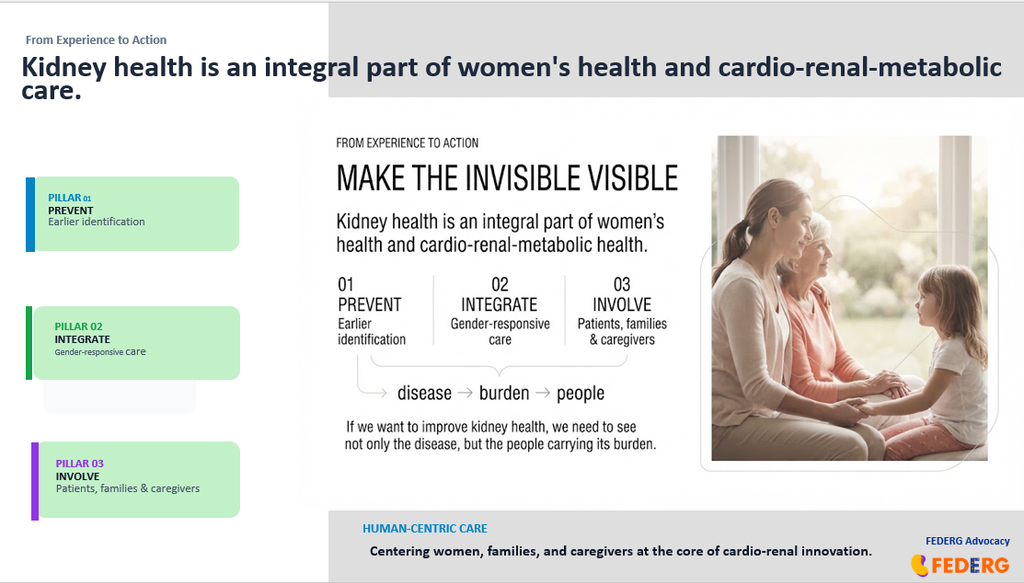
These two dimensions must be considered together. A gender-sensitive approach to kidney health should address the needs of women living with kidney disease while also recognising the contribution and challenges of women who care for affected family members.
The European Kidney Forum provided an opportunity to bring these issues into the policy discussion and emphasise that fair healthcare must take account of the different circumstances in which patients and caregivers live.
For FEDERG, addressing inequalities means looking beyond clinical outcomes alone. Access to information, continuity of care, psychological support and recognition of the family impact of disease are also important elements of a more equitable healthcare system.
Rare kidney diseases: ensuring that no patient is overlooked
People living with rare kidney diseases can face particular obstacles throughout their healthcare journey. Limited awareness of specific conditions, diagnostic complexity and the need for specialised expertise can make it difficult to obtain appropriate care and support.
In many cases, families must become highly knowledgeable about a condition while coordinating appointments, treatments and information from different healthcare professionals. This responsibility can be demanding, especially when a disease begins in childhood or requires long-term monitoring.
Rare kidney diseases also demonstrate why cooperation across European countries is important. Sharing expertise, improving access to specialist knowledge and strengthening collaboration between healthcare professionals and patient organisations can help address gaps that individual countries may find difficult to overcome alone.
European Reference Networks, including ERKNet, the European Reference Network for Rare Kidney Diseases, play an important role in facilitating collaboration among specialists and supporting the exchange of knowledge about rare conditions. Patient representatives also contribute by bringing the experiences, priorities and concerns of the people affected into these collaborative efforts.
Susana’s longstanding involvement in European patient advocacy reflects the value of this partnership. By connecting the lived experience of patients and families with the work of healthcare professionals and European stakeholders, patient advocates help ensure that rare diseases remain visible within broader health policy discussions.
FEDERG: strengthening the collective voice of patients
As President of FEDERG, Susana works to strengthen the representation of people affected by rare and genetic kidney diseases across Europe.
FEDERG brings together patient organisations to promote cooperation, share experiences and advocate for better recognition of the needs of people living with these conditions. By working collectively, organisations can raise issues that may otherwise remain fragmented across individual countries or disease communities.
Patient organisations contribute a perspective that complements clinical expertise and policy analysis. They understand the practical consequences of living with a condition, the difficulties families encounter when seeking care and the forms of support that can make a meaningful difference to daily life.
Their participation in European forums helps ensure that these experiences inform discussions about healthcare access, research, patient support and equality.
FEDERG believes that patient involvement should be meaningful and sustained. Patients and caregivers should have opportunities to contribute not only by sharing personal stories, but also by helping identify priorities, evaluate services and shape decisions that affect their lives.
The participation of its President in the European Kidney Forum is part of this wider commitment to ensuring that the patient perspective is represented where European kidney health priorities are discussed.
From listening to action
Forums and policy discussions are valuable when they help translate lived experience into practical improvements. Raising awareness of gender inequalities and caregiver responsibilities is an important step, but lasting progress also requires action.
Several priorities remain essential: promoting earlier recognition of kidney disease, improving access to appropriate specialist care, supporting coordination between healthcare services, strengthening information for patients and families, and ensuring that research reflects the needs of people living with rare conditions.
It is equally important to recognise the wider impact of disease on family life and to make support available to caregivers. Their contribution should not be taken for granted, and their own health and wellbeing should not be overlooked.
A more equitable approach to kidney health must also consider differences in patients’ circumstances, including gender, age, disease rarity and access to specialised services. Policies designed around the needs of real people are better placed to respond to these differences.
Patient organisations such as FEDERG have an essential role in keeping these priorities visible and encouraging collaboration between patients, healthcare professionals, researchers and policymakers.
Making every patient and family count
Susana Carvajal Arjona’s participation in the European Kidney Forum reflects the importance of bringing the voices of patients and families into European discussions on kidney health. Her perspective as a mother and her experience in patient advocacy reinforce a central message: the impact of kidney disease cannot be fully understood without listening to the people who live with it every day.
For FEDERG, this means continuing to advocate for equitable access to care, greater awareness of rare kidney diseases, meaningful patient involvement and better recognition of the needs of caregivers.
Behind every diagnosis is a person whose life extends far beyond the healthcare system. There are families adapting to uncertainty, caregivers balancing competing responsibilities and communities working to ensure that no one is left without appropriate information, support or specialist care.
Building a fairer approach to kidney health requires these experiences to be heard and reflected in decisions. It requires collaboration across borders, a commitment to addressing gender inequalities and recognition that the wellbeing of patients and caregivers is interconnected.
At FEDERG, we believe that listening to patients is essential to improving care. Every patient deserves to be heard, every family deserves support, and no one should have to face the challenges of kidney disease alone.