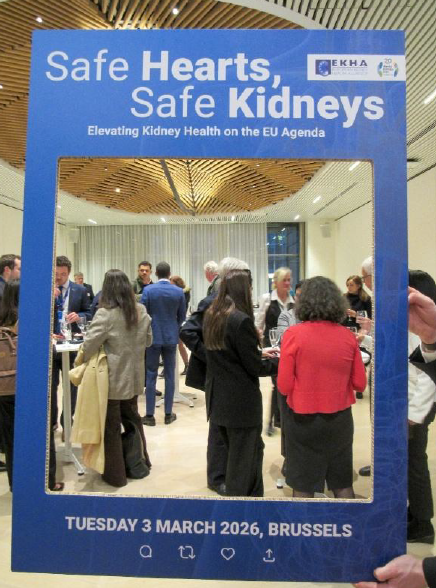
“Safe Hearts, Safe Kidneys: Elevating Kidney Health on the EU Agenda” event, march 2026
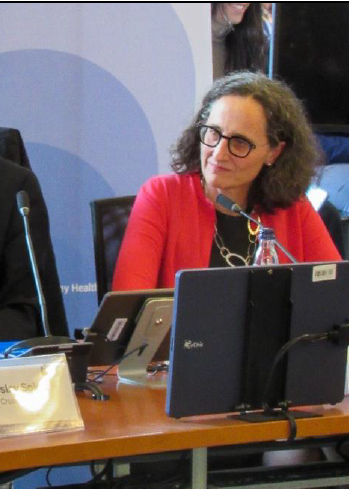
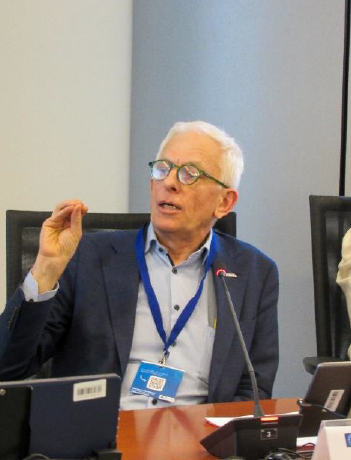
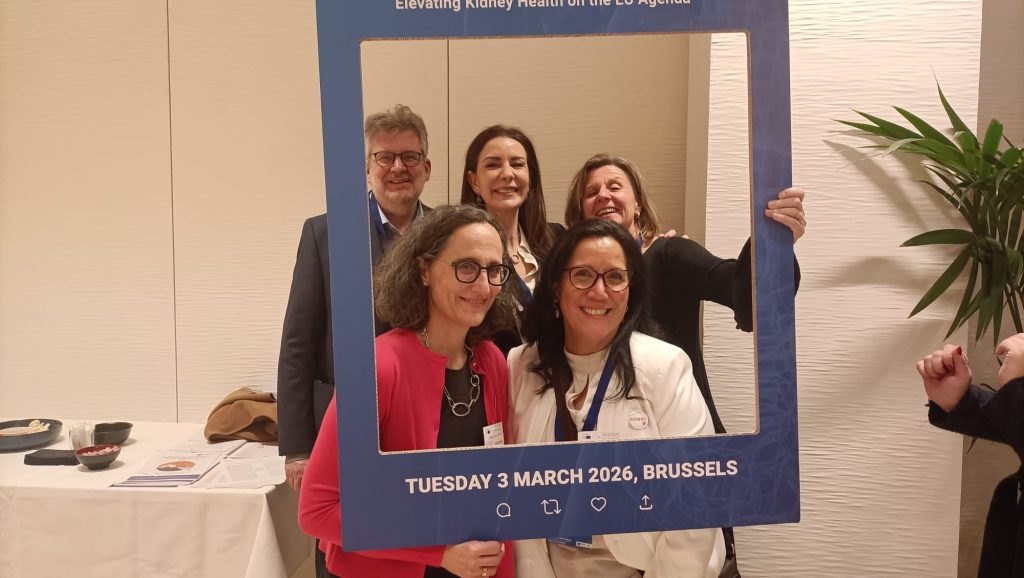
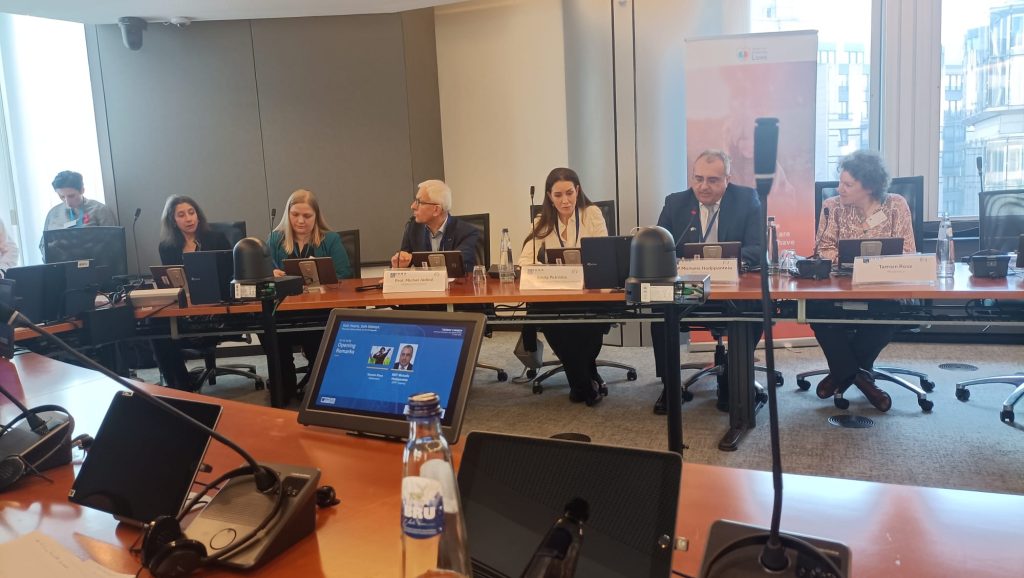
On 3 March, I had the pleasure, on behalf the Federg-Aisbl, of attending the high-level event “Safe Hearts, Safe Kidneys: Elevating Kidney Health on the EU Agenda” at the European Parliament in Brussels, organised by the European Kidney Health Alliance (EKHA) in the context of World Kidney Day.
The discussion brought together policymakers, clinicians, patient representatives and experts to highlight the strong connection between cardiovascular and kidney health, and why the cardio-renal-metabolic nexus can no longer be ignored in European health policy.
With chronic kidney disease affecting millions of people across Europe, the event stressed the urgent need for stronger prevention, earlier detection and more integrated care pathways. It also underlined the importance of ensuring that kidney health is fully considered within the EU’s Safe Hearts agenda, so that patients receive timely diagnosis, better treatment and improved quality of life.
Encouraging dialogue like this at the European level is essential if we want to place kidney health higher on the policy agenda and build more resilient, patient-centred health systems across Europe.
Thank you to EKHA and all speakers and participants for an insightful and inspiring discussion.
Key Takeaways
Kidney health is emerging as a central issue in the EU’s chronic disease agenda rather than a niche concern. Chronic kidney disease (CKD) is closely linked to cardiovascular disease, diabetes, obesity, and hypertension within the cardio-renal-metabolic (CRM) continuum. With CKD projected to become the fifth leading cause of death globally, addressing kidney health is increasingly framed as a patient-centered priority rather than a political one.
Early detection represents one of the largest missed opportunities in European health systems. An estimated 80–90% of people with CKD remain undiagnosed, despite the fact that the disease is largely preventable and manageable when detected early. Simple and inexpensive tools, such as albuminuria testing, already exist. Beyond the clinical benefits, the economic case is strong: studies suggest that every €1 invested in early detection could save around €45 in future healthcare costs by preventing complications and hospitalisations. The challenge lies less in the availability of tools and more in their systematic implementation, consistent reimbursement, and greater public and professional awareness.
Fragmented care pathways also continue to undermine patient outcomes. People living with kidney disease often move between cardiologists, endocrinologists, nephrologists, and primary care providers without sufficient coordination. This frequently results in polypharmacy, duplicated prescriptions, and conflicting medical advice. Given the strong interaction between kidney and cardiovascular diseases, integrated cardio-renal-metabolic care pathways are increasingly seen as a clinical necessity. Measures such as shared electronic health records, joint multidisciplinary clinics, medication reconciliation, and structured patient education could significantly improve continuity of care.
Finally, while political momentum around kidney health is growing, implementation remains the key challenge. Recent developments—including the WHO Kidney Health Resolution and increasing recognition within EU policy debates—have raised the profile of the issue. The next step is translating visibility into concrete policy actions, such as integrating kidney health into the Safe Hearts Plan, adopting a dedicated European Parliament resolution on kidney health, updating the EU action plan on organ donation and transplantation (including stronger support for living donors), promoting joint screening programmes for CKD, cardiovascular disease, and diabetes, developing national CKD strategies, harmonising standards across Member States, and ensuring meaningful inclusion of patient voices in policy design.