The Rare Kidney Diseases (RKD) Barometer. Calls to Action
Kidney health has long been overlooked despite its profound human and societal impact. Yet the evidence is clear: rare kidney diseases (RKDs), though individually affecting small numbers of patients, together represent a significant and often hidden share of chronic kidney disease (CKD). In 2023 alone, CKD caused 1.48 million deaths among adults worldwide and is projected to become the fifth leading cause of years of life lost due to poor health in the coming decades. When rare kidney diseases go unrecognized, the consequences are serious—delayed diagnosis, fragmented care, and missed opportunities to slow or even prevent progression to kidney failure, ultimately affecting both life expectancy and quality of life.
Across Europe, RKDs are emerging as a growing clinical, psychosocial, and socio-economic challenge. Evidence gathered through the Rare Kidney Disease Barometer reveals critical gaps within healthcare systems, including years-long diagnostic delays, fragmented care pathways, limited access to innovative treatments, and insufficient social and financial support for patients and caregivers. These barriers not only worsen health outcomes but also place a substantial burden on families and communities.
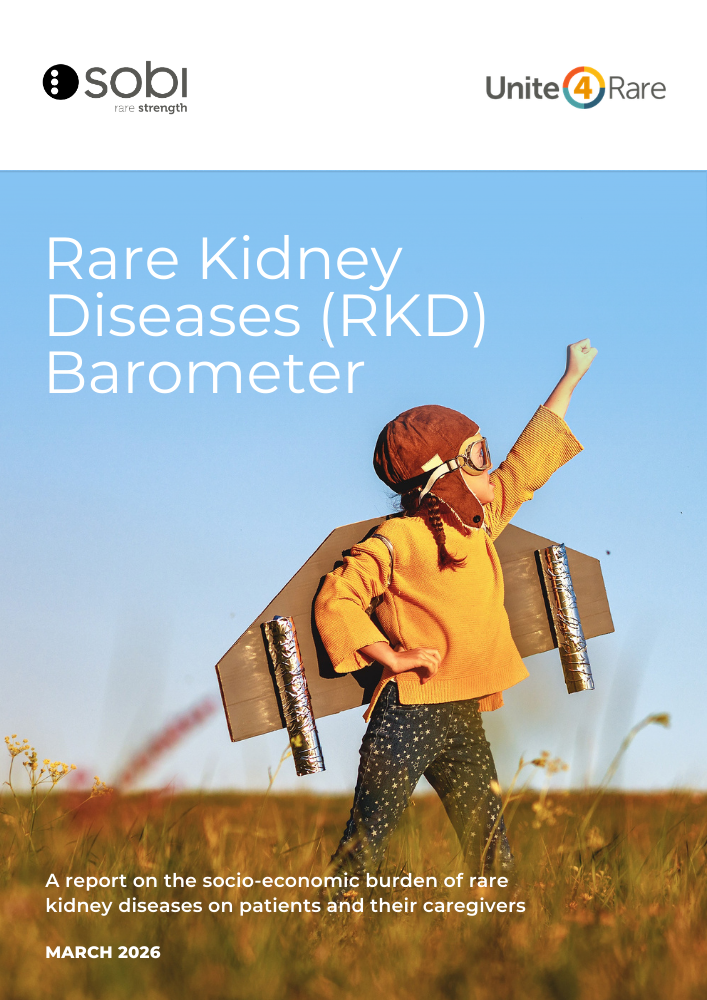
Drawing on the experiences of patients and caregivers across multiple European countries, this report sheds light on the real-world impact of living with a rare kidney disease. From the long road to diagnosis to the realities of treatment, it captures the challenges patients face and the ripple effects on family life, education, and employment.
The findings presented here highlight an urgent need for action. We invite readers to explore the report to better understand the unmet needs of the rare kidney disease community and the policy changes required to improve early detection, access to care, and socio-economic support for those affected.
We invite readers to explore the results of this project to better understand the needs of the rare kidney disease community and the urgent actions required to improve early detection, access to care, and socio-economic support for those affected.